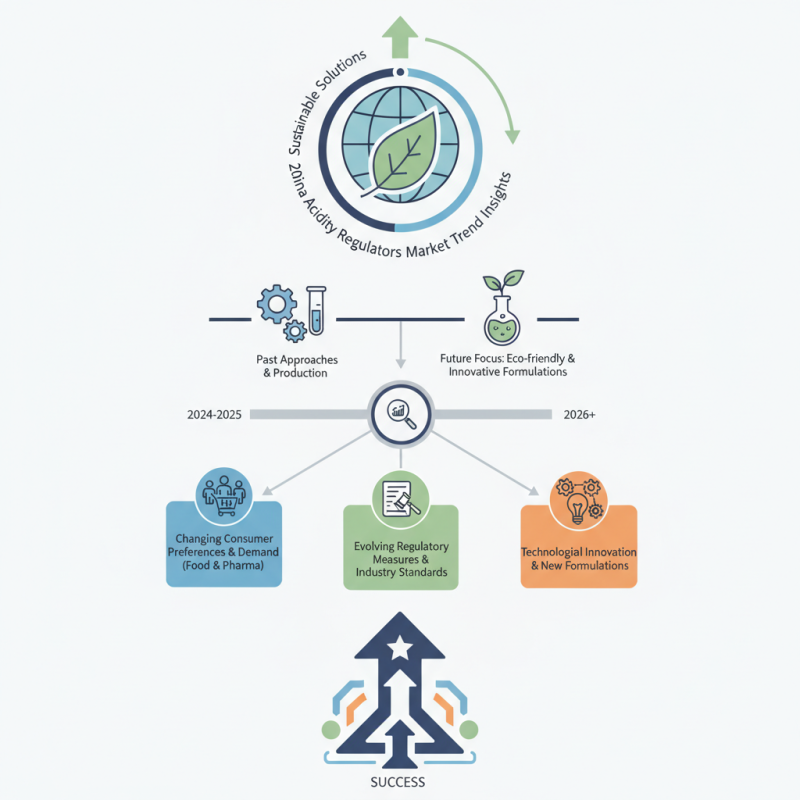
Hey there! So, in the world of Acidity Regulators, 2026 is shaping up to be pretty game-changing. Experts are saying we’re gonna see some major shifts, mostly because of what consumers want now and all these new regulations popping up. Dr. Emily Chen from Global Chemical Innovations even mentioned, ‘The future of Acidity Regulators is heading toward more sustainable options.’ That’s actually a pretty big deal — it shows how everyone’s pushing for eco-friendly products that still tick all the boxes industry-wise.
As industries, you know, catch up and adapt, the need for top-notch Acidity Regulators keeps growing. Whether it’s food production, pharma, or other sectors, these compounds are crucial. But here’s the tricky part: producers are trying to innovate without sacrificing safety or quality. They’re working on new formulations, which is exciting, but finding the perfect balance isn’t exactly a walk in the park.
Honestly, it’s a mix of being creative and sticking to strict standards. Companies really need to keep an eye on those changing rules and what consumers are after. Rethinking old strategies is pretty much essential at this point. Staying aware of market trends is key, but looking back at what’s worked so far is just as important. The ones who stay committed to progress and really understand the market will be the ones actually succeeding in the end.
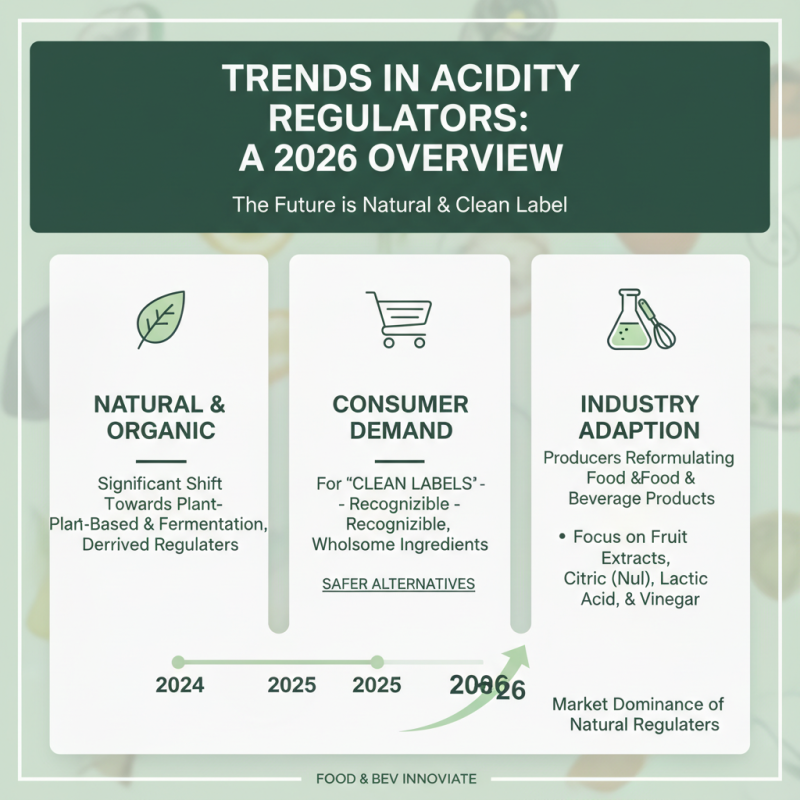
The world of acidity regulators is evolving rapidly. By 2026, trends indicate a significant shift toward natural and organic regulators. Increasing consumer demand for cleaner labels shapes this market. Producers are adapting to focus on these safer alternatives. It's essential to pay attention to formulation changes in numerous food and beverage products.
Global regulations also impact the landscape. Stricter rules on synthetic additives are rising. This could lead to challenges in sourcing natural options. Companies may struggle to balance performance and compliance. Moreover, distribution channels are diversifying, embracing online platforms. However, not all players are equipped for this transition.
Sustainability is no longer optional. The push for eco-friendly practices is refreshing but complex. Consumers have heightened awareness, yet myths about natural options persist. Some may overlook the efficiency of traditional acids. Therefore, careful messaging and education from manufacturers are crucial. Overall, these trends highlight a need for innovation and adaptability in the acidity regulator arena.
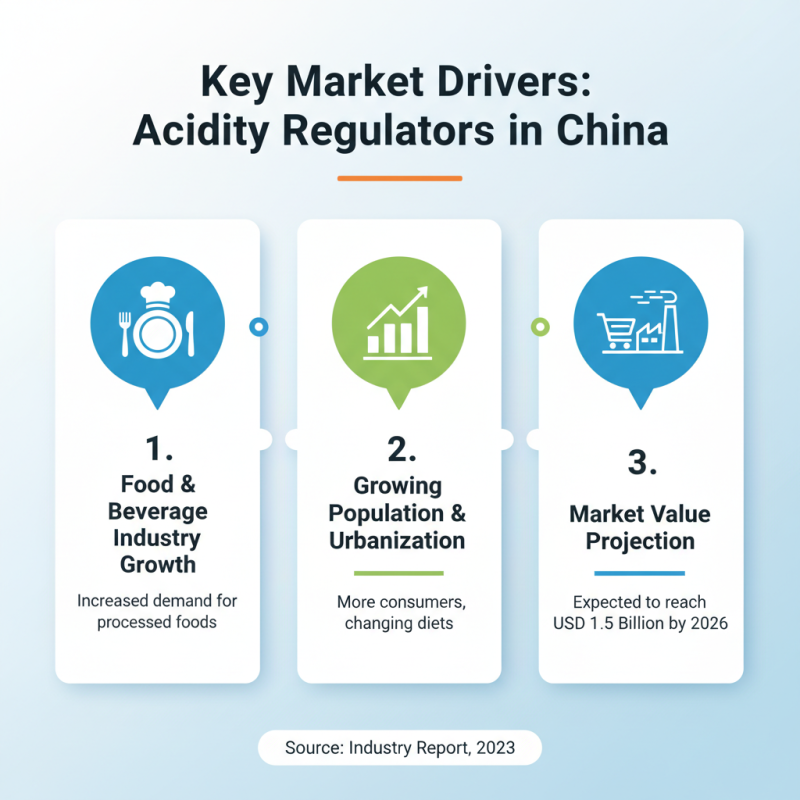
The demand for acidity regulators in China is experiencing significant growth. Several factors contribute to this trend. The food and beverage industry is a primary driver of demand. With a growing population and increasing consumer preferences for processed foods, the need for effective acidity regulation is essential. According to a recent industry report, the market for acidity regulators in China is projected to reach USD 1.5 billion by 2026.
Another key factor is the expanding pharmaceutical sector. Acidity regulators play a crucial role in drug formulation and stabilization. Research shows that the pharmaceutical industry in China is expected to grow at a compound annual growth rate (CAGR) of 6% over the next few years. This growth will likely boost the demand for high-quality acidity regulators.
Tips: Always source your acidity regulators from reliable suppliers. Ensure they adhere to safety regulations. Quality matters significantly in both food and pharmaceutical applications. Additionally, consider market trends. Understanding consumer choices can inform your purchasing decisions.
The agriculture sector also influences the market. Increasing awareness of food quality and sustainability drives the usage of acidity regulators in crop protection products. Yet, challenges persist in sourcing sustainable materials, and the need for innovation is evident. Embracing new technologies can help meet these challenges effectively, particularly in the competitive landscape of China Acidity Regulators.
The regulatory landscape for acidity regulators is evolving rapidly. Many countries are strengthening their policies to enhance food safety and environmental standards. These regulations impact manufacturers and suppliers, pushing them toward compliance and innovation. Companies must adjust to these changes to remain competitive.
For example, specific guidelines govern permissible acidity levels in various foods. Non-compliance can lead to penalties or product recalls. This environment emphasizes the need for thorough understanding and proactive management of regulatory requirements.
Tips: Stay updated on local regulations. Engaging with industry experts can provide insights into upcoming changes. Moreover, implementing a robust compliance strategy can mitigate risks. Companies that adapt swiftly can seize new market opportunities in this dynamic landscape.
As we dive into emerging technologies in acidity regulation, it's essential to highlight recent advances. Innovations in sensor technology have enabled real-time monitoring of acidity levels. These sensors offer greater precision and enhance consistency in food production. With the rise of automation, manufacturers can now adjust acidity levels seamlessly during processing. This evolution is transforming industry standards.
Biotechnology is another critical area influencing acidity regulation. Enzymatic solutions are gaining traction for their ability to enhance flavor profiles and preserve food quality. They provide a natural alternative to synthetic acidity regulators, appealing to health-conscious consumers. However, the challenge lies in ensuring these methods are both effective and economical for widespread adoption.
The landscape of acidity regulators is shifting. Emerging businesses, such as new Acidity Regulators Exporters, are capitalizing on these innovations. They face the task of balancing cutting-edge technology with traditional methods. Each approach offers unique benefits while presenting questions for further exploration. How can industries adopt these technologies effectively? The conversation is ongoing, and the answers may redefine our understanding of acidity management in the future.
The Chinese acidity regulator industry is evolving rapidly. Major players in this sector are emerging and adapting to market needs. They focus on producing high-quality acidity regulators that meet various industrial demands. Innovation drives these companies, with research and development playing a crucial role.
Many suppliers are exploring new formulations. This is key to maintaining competitive advantages. Some companies are not yet fully utilizing advanced technologies, and this presents an opportunity for growth. Efficiency in production processes varies widely among producers. This inconsistency can affect the overall quality of their products.
Collaboration with agricultural and food sectors is increasingly important. Suppliers who understand these markets can tailor their offerings effectively. Insight into customer needs can lead to better solutions. However, there is still a lack of standardized practices across the industry. Acidity Regulators Supplier need to work on harmonizing their efforts. Enhanced communication and understanding can foster trust and lead to higher customer satisfaction.
Consumer preferences are rapidly shaping the market for acidity regulators. Recent reports indicate that flavors and health consciousness are influencing purchasing decisions significantly. In 2025, nearly 40% of consumers preferred products with natural acidity regulators. This trend suggests a shift towards organic and clean-label products. Data from industry analyses illustrate that this segment is expected to grow by over 5% annually.
The rise in popularity of plant-based diets also impacts the demand for Wholesale Acidity Regulators. Consumers are increasingly seeking products that align with their dietary choices. Products that feature ingredients like citric acid or vinegar are becoming preferred options. Interestingly, traditional synthetic acidity regulators are facing decline amid growing concerns regarding safety and health. Companies must adapt to these shifts to remain competitive.
Tips for manufacturers include focusing on transparency. Clear labeling can build trust with consumers. Highlighting natural sources can attract more attention. Exploring innovative formulations that cater to health-oriented consumers can also yield better market positioning. Emphasizing biodegradable and eco-friendly practices will resonate well. The wholesale acidity regulators market is evolving. Staying ahead requires understanding consumer needs deeply and responding proactively.
| Dimension | 2024 | 2025 | 2026 Forecast |
|---|---|---|---|
| Market Size (Billion USD) | 1.5 | 1.8 | 2.1 |
| Growth Rate (%) | 10% | 15% | 17% |
| Top Application Sectors | Food & Beverage | Pharmaceuticals | Agriculture |
| Consumer Preference (Natural vs Synthetic) | 60% Natural | 65% Natural | 70% Natural |
| Regulatory Trends | Tightening | Increased | Stricter |
The market for acidity regulators in China is projected to see significant growth in the coming years. According to a recent industry analysis, the demand for these regulators is expected to increase by approximately 6.2% annually through 2026. This trend reflects the growing food and beverage industry, where acidity regulators play a vital role in enhancing flavor and preservation.
Tips: Stay updated with industry reports. They provide insights on market trends.
Moreover, the food processing sector is a key driver for acidity regulators. Preferences for natural and organic products are rising, influencing a shift in regulatory formulations. However, companies are encountering challenges in sourcing sustainable ingredients. The balancing act of meeting consumer demands while adhering to environmental regulations requires careful planning.
Tips: Focus on sustainability in your sourcing strategy. This can improve your market reputation.
As China continues to expand its food market, businesses must adapt. The evolving landscape offers opportunities but also tests companies. Innovation in formulations and sustainable practices may be necessary for success. Companies that prioritize consumer health and environmental impact will likely lead the way.
: Innovation and research are key factors driving growth in the industry.
Consumers prefer natural acidity regulators, impacting purchasing decisions significantly.
There is a shift towards organic and clean-label products.
Some companies are not fully utilizing advanced technologies, limiting their growth potential.
Collaboration with agricultural and food sectors is crucial for tailoring offerings.
Clear labeling and transparency about natural sources can enhance trust.
More consumers seek products like citric acid or vinegar that align with their diets.
There are growing concerns about the safety and health of synthetic options.
They must adapt to consumer preferences and explore innovative formulations.
No, efficiency varies widely, potentially affecting product quality.
The article titled "2026 Top Wholesale China Acidity Regulators Trends and Insights" provides a comprehensive overview of the acidity regulators market in China, highlighting key trends and insights for the upcoming year. It discusses the various market drivers, such as the growing food and beverage industry, which significantly influences the demand for acidity regulators. Moreover, regulatory policies play a crucial role in shaping market dynamics, ensuring compliance while promoting innovation.
Emerging technologies are also transforming the acidity regulation landscape, enabling manufacturers to develop more effective and sustainable products. Consumer preferences are evolving, with a notable shift towards natural and health-conscious solutions, further impacting product offerings. Looking forward, the article projects a robust growth trajectory for acidity regulators in China, driven by ongoing advancements and a demand for quality and safety in food products.